It’s one of the first questions every homebuyer asks us, usually before they’ve even picked a lot: “Realistically, how long is this going to take?” It’s a fair question, and it deserves a real answer instead of a vague “it depends.” While every custom build has its own variables, most custom homes in the Pocatello and Chubbuck area move through a predictable set of stages, and understanding them upfront is one of the best ways to plan your move, your financing, and your expectations.
Here’s a straightforward, Southeast Idaho-specific breakdown of what actually goes into a custom home build timeline, and the local factors, especially our winters, that can speed things up or slow them down.
The Short Answer: What to Expect
For a true custom home in the Pocatello and Chubbuck area, most builds run somewhere in the range of eight months to a year from groundbreaking to move-in, with design and permitting adding several months before that. A semi-custom home on a simpler plan can move faster. Our recently completed project, The Summit, is a good example of what’s possible when a plan is dialed in early and the schedule stays tight: that semi-custom home went from groundbreaking to a finished, move-in-ready house in under four months.
The honest answer is that your specific timeline depends on the size and complexity of your plan, the time of year you break ground, how quickly decisions get made on selections and change orders, and how backed up local permitting and inspection schedules are at the moment. Below is how those stages typically break down.
The Custom Home Build Timeline, Stage by Stage
1. Planning, Design & Pre-Construction
Before a shovel ever hits the ground, this stage covers finalizing your floor plan, structural drawings, material selections, and financing. This is also where site evaluation, soil testing, and utility planning happen. Depending on how custom your design is, this phase typically takes six to twelve weeks. Homeowners who come in with a clear vision, or who work with a builder who offers drafting and blueprint services in-house, tend to move through this stage noticeably faster than those starting from scratch.
2. Permitting & Site Preparation
Once plans are finalized, permits are submitted to the appropriate jurisdiction, whether that’s the City of Pocatello, the City of Chubbuck, or Bannock County, and each can have slightly different review timelines. While permits are in process, scheduling and final preparation are finalized. Once permits are pulled, site work, clearing and excavation can begin. This stage generally runs two to four weeks, though it can stretch longer during the busiest building seasons.
3. Foundation & Framing
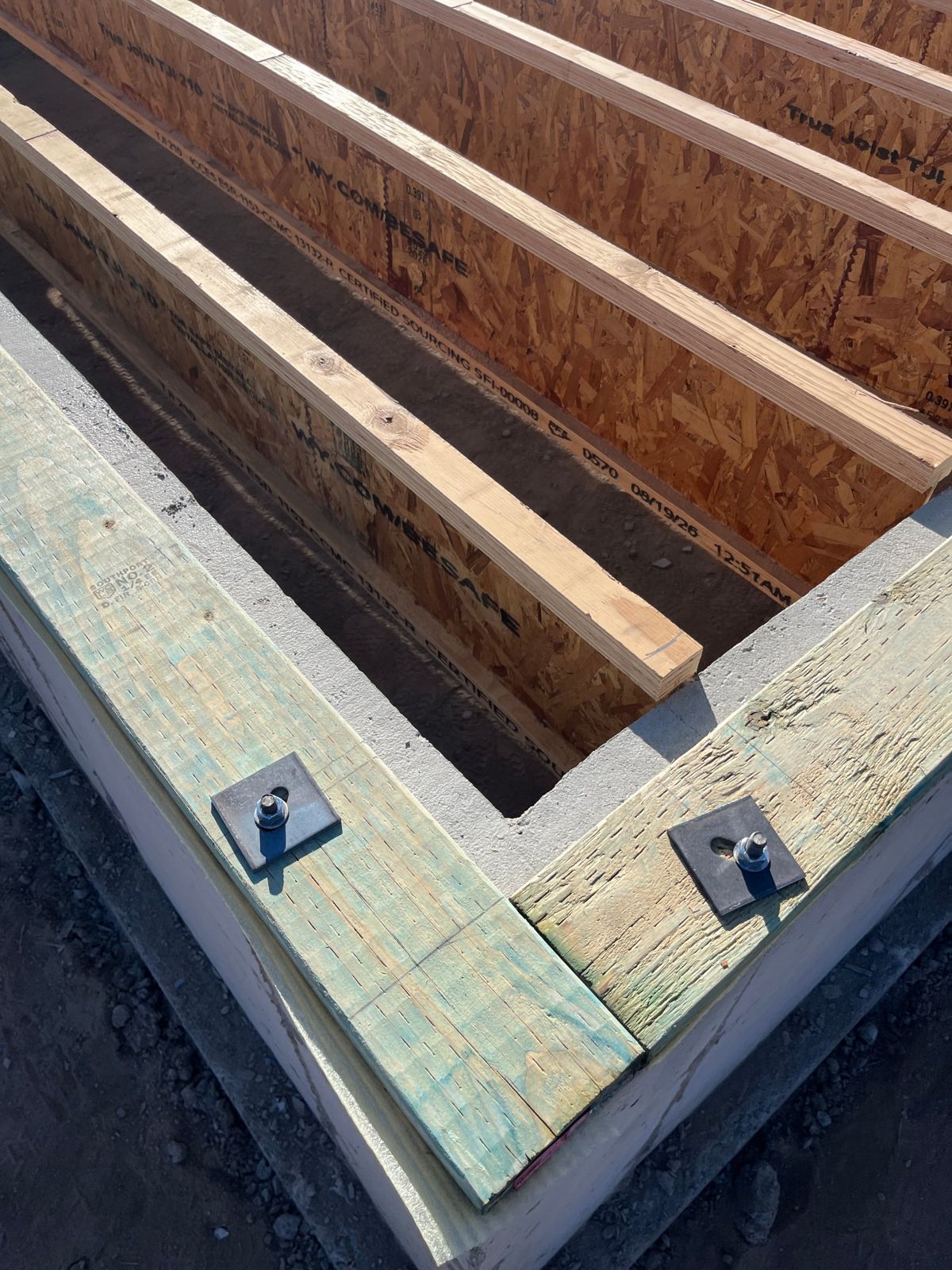
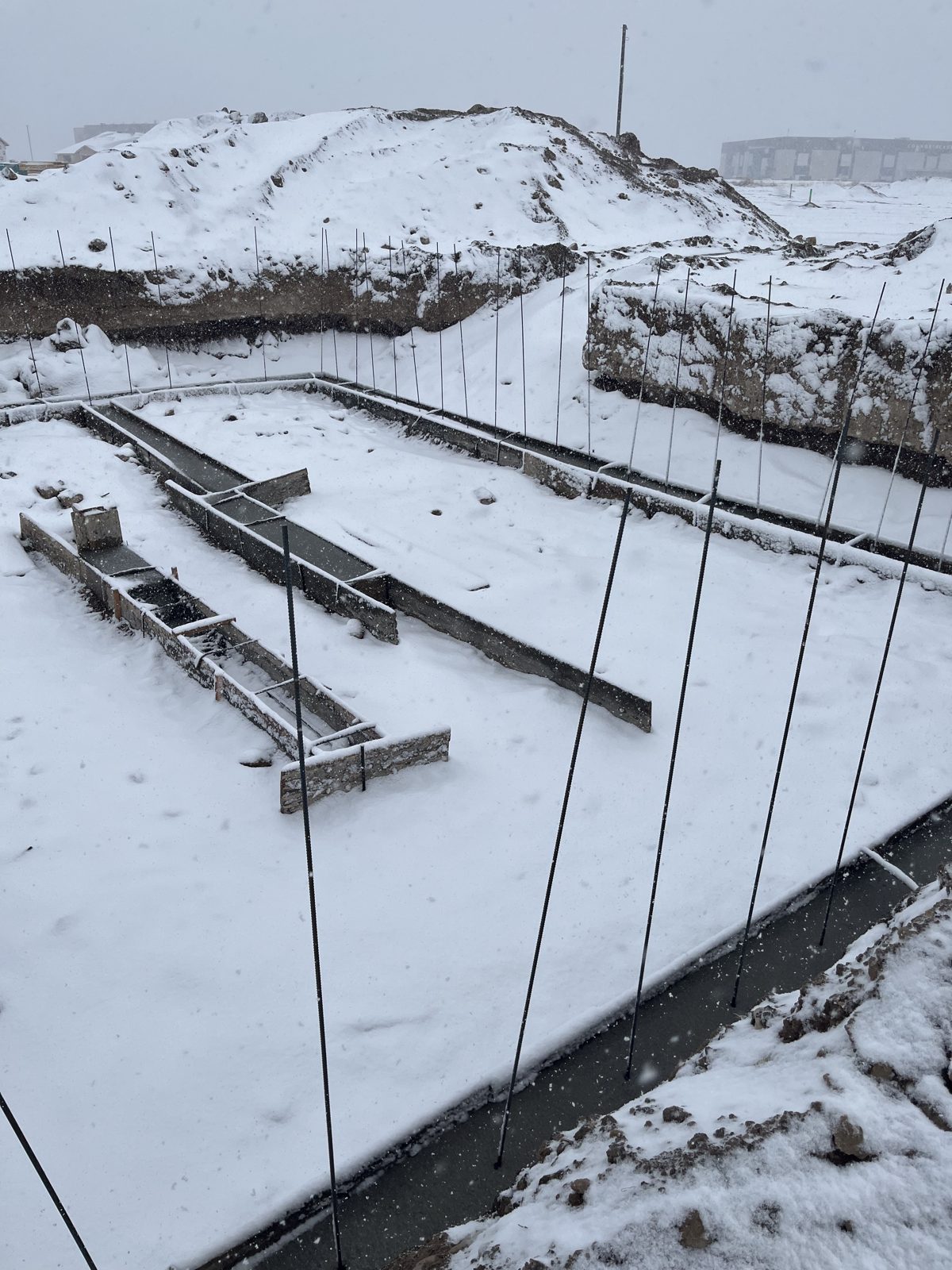
This is where your home starts to feel real. Foundation work, including footings, foundation walls, and backfill, typically takes two to three weeks, followed by framing, which usually takes three to six weeks depending on the size and roofline complexity of the home. Getting the foundation poured before hard frost sets in is one of the most important scheduling factors in our climate, more on that below.
4. Rough-In: Mechanical, Electrical & Plumbing
Once the home is framed and under roof, electricians, plumbers, and HVAC crews run the systems that will live inside your walls. This rough-in stage generally takes three to five weeks and is followed by inspections before insulation and drywall can go in.
5. Interior Finishes
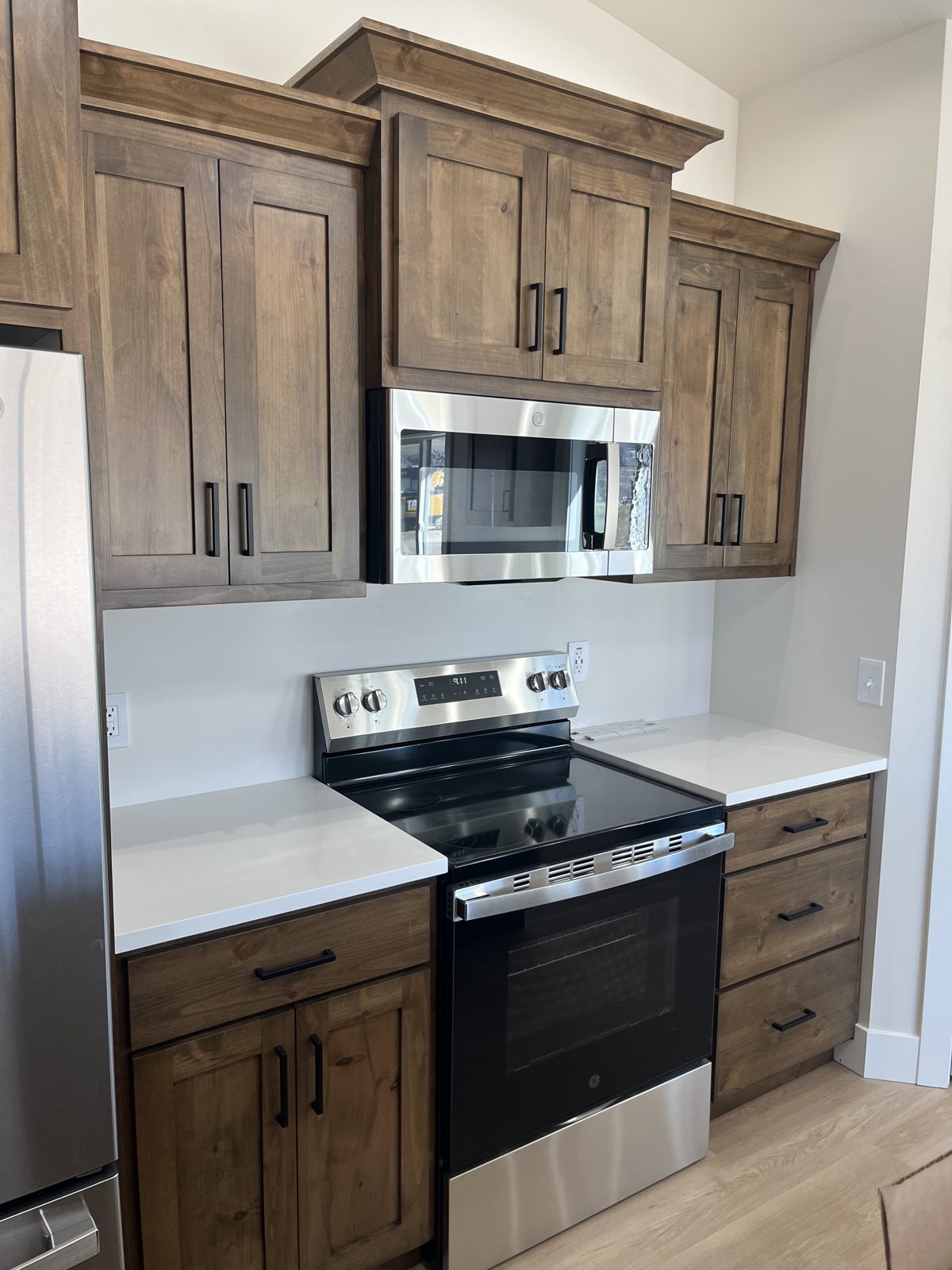
This is typically the longest single stage of a custom build, often eight to twelve weeks. It covers drywall, interior trim, cabinetry, countertops, flooring, tile, paint, and fixtures. It’s also the stage most affected by material lead times and how quickly a homeowner finalizes selections, so decisions made early in the design phase really do pay off here.
6. Final Walkthrough & Move-In
The last stage includes final inspections, punch-list items, a detailed walkthrough with your builder, and closing. For most custom homes in our area, this final stretch takes one to three weeks before you’re handed the keys.
Why Southeast Idaho’s Seasons Matter for Your Build Timeline
Building in Pocatello and Chubbuck means building around a real winter, and that’s not something a generic national timeline accounts for. Ground freeze typically becomes a factor by late November and can persist into March, which makes excavation, foundation pours, and concrete curing significantly more difficult, and sometimes impossible, once temperatures drop.
For that reason, we generally recommend breaking ground in late winter through early summer, so the foundation and framing stages land before the ground hardens again. That doesn’t mean a fall or winter start is off the table; it just means the schedule, sequencing, and cost may look different, since foundation work in frozen ground often requires additional measures like ground thawing or insulated concrete blankets.
Homeowners who start planning and designing in the fall or winter, so they’re ready to break ground as soon as the ground thaws, often end up with the smoothest, most predictable timelines of anyone we work with.
What Can Speed Up or Slow Down Your Timeline
A few factors consistently make the biggest difference in how a build’s timeline actually plays out:
- Decision speed on selections. Flooring, fixtures, cabinetry, and countertop choices made early keep the interior finish stage moving instead of stalling it.
- Plan complexity. Custom rooflines, large spans, and highly detailed layouts add time compared to more straightforward, semi-custom designs.
- Time of year you break ground. As covered above, this affects everything from excavation to concrete curing to site access.
- Material and appliance lead times. Certain finishes and specialty items can have longer order-to-delivery windows than homeowners expect.
- Change orders mid-build. Even small changes after work has started can ripple through the schedule, which is why locking in decisions during the design phase matters so much.
The Three Delays We See Most Often
Even on a well-run build, three things cause most of the delays we see — and two of them are in your control.
1. Material Selection Delays
This is the single most common cause of build delays. When finish selections aren’t made on time, trades can’t be scheduled, materials can’t be ordered and the build sits waiting. Flooring, cabinets, countertops, fixtures, tile — every selection has a downstream impact on the schedule.
The best thing you can do is make selections early and decisively. We’ll tell you exactly what decisions need to be made and when — and when selections are locked in ahead of time, the build runs without interruption.
2. Weather
Idaho winters are real, and a harsh Southeast Idaho winter can affect the early phases of a build. Site work, foundation pours and framing are all weather-sensitive — if conditions are bad enough, work stops until they improve.
A well-planned build accounts for this. We sequence builds so weather-sensitive phases land at the right time of year. Once a home is closed in — roof on, windows and doors in — interior work like electrical, plumbing, insulation, drywall and finish work can keep moving through the cold months. A build that’s closed in by fall can still typically hit a spring completion.
3. Change Orders
Mid-build changes — adding a room, moving a wall, changing a layout — take time to plan, price and execute. Some are minor and easy to absorb; others ripple through the schedule and add weeks. The more decisions that are locked in before groundbreak, the smoother the build runs.
How Western Legacy Homes Keeps Your Build on Schedule
As a family-owned custom home builder based right here in Chubbuck, we build one relationship, and one schedule, at a time. Because we handle design, drafting, and construction under one roof, there’s no lag between finalizing a plan and breaking ground, and no guesswork about who’s responsible for keeping things moving. We communicate proactively at every stage, so you always know exactly where your build stands and what’s coming next.
If you’d like to see what a real Southeast Idaho build looks like from groundbreaking to move-in, take a look at our ongoing project updates, where we document our current builds stage by stage.
Ready to Start Planning Your Custom Home Build?
Every custom home timeline is a little different, but the best way to protect yours is to start the conversation early. Whether you’re still choosing a lot or you already have a plan in hand, our team can walk you through what a realistic schedule looks like for your specific project.
Schedule a free consultation with Western Legacy Homes and let’s map out your build timeline together, or learn more about our home building and remodeling services and the team behind them on our About page.