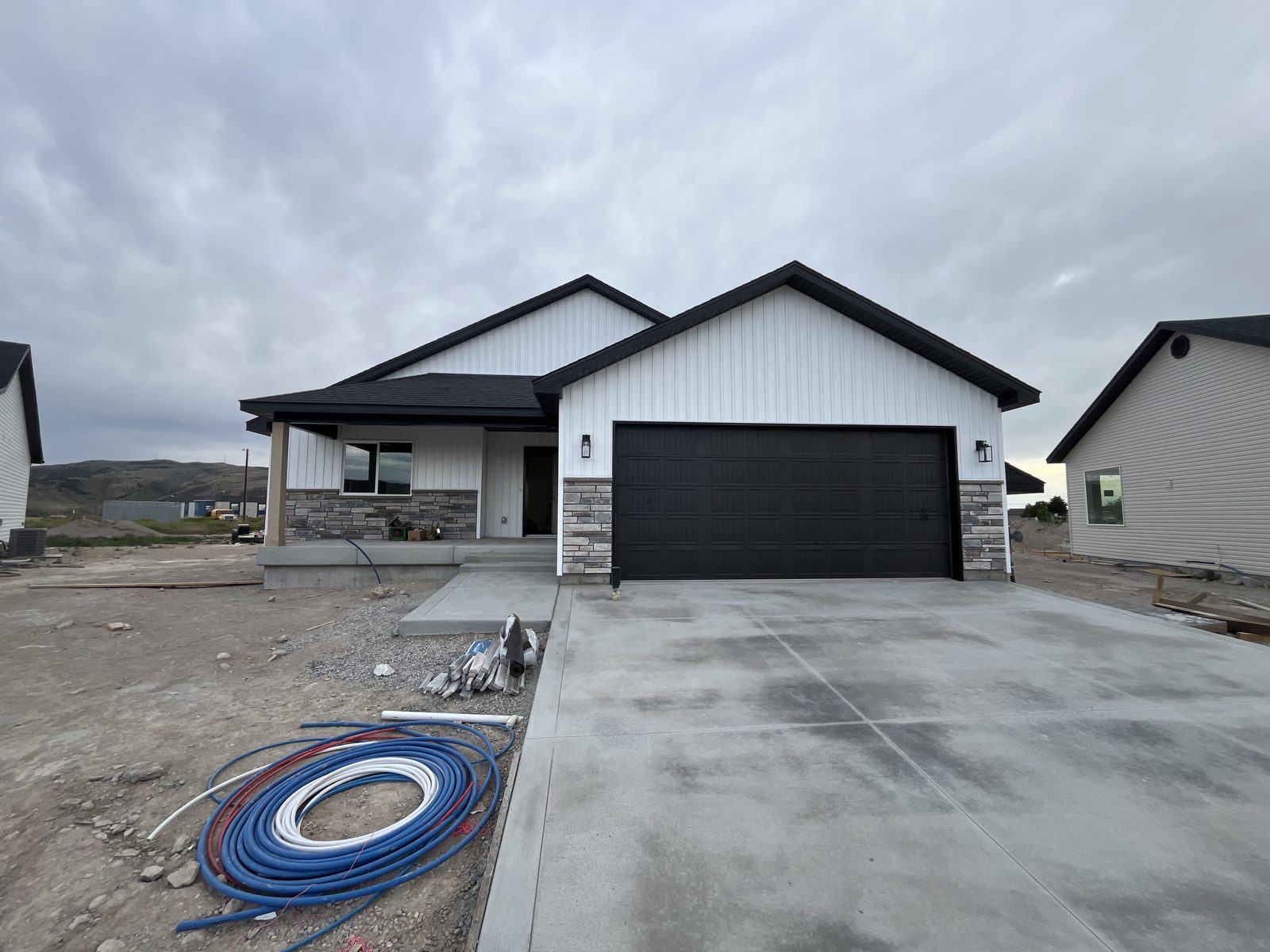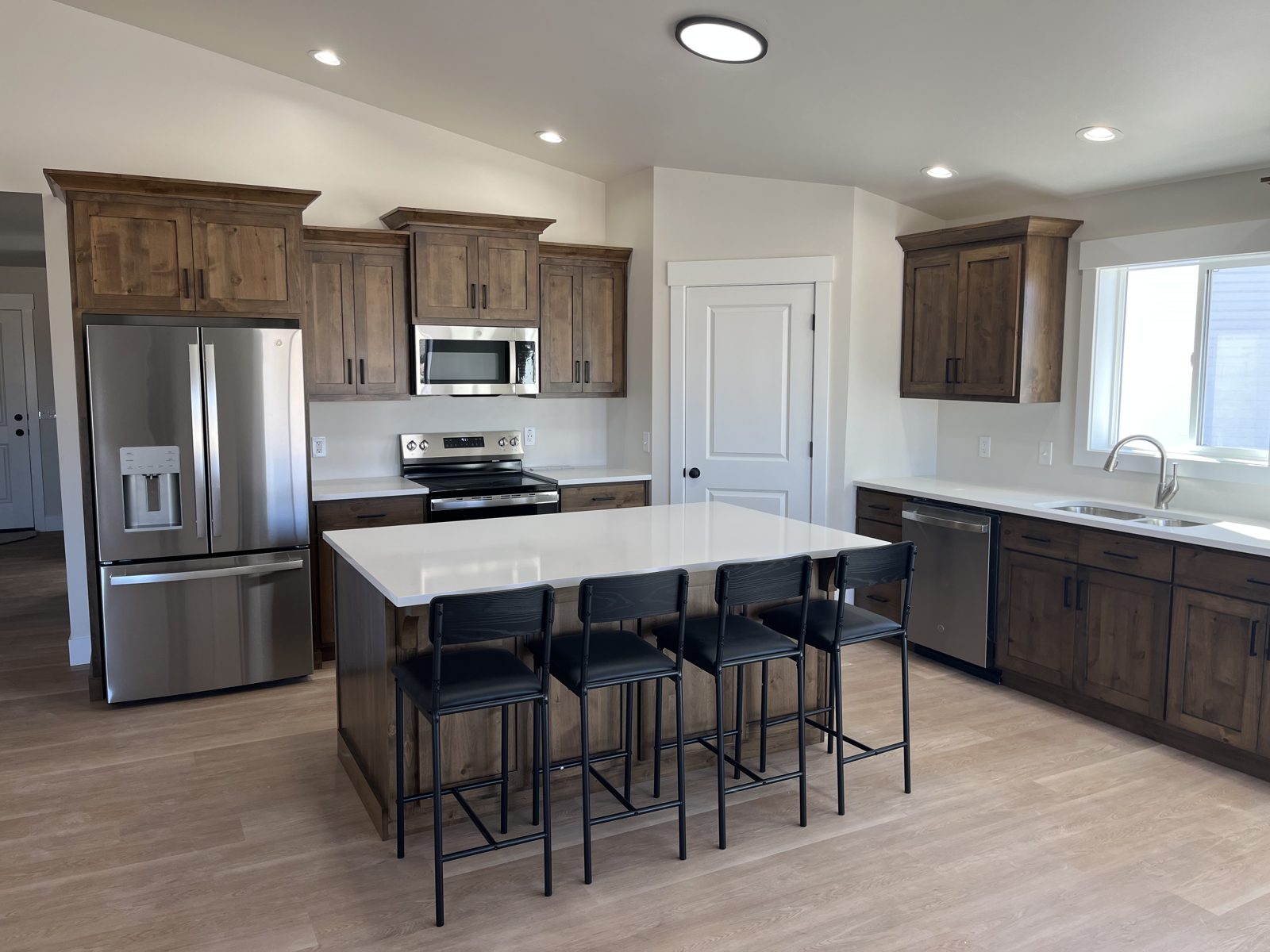
Once you’ve picked your land, met with a builder, and started dreaming about floor plans, there’s one piece of the puzzle that trips up almost every first-time custom home client: financing. Buying an existing house and building a custom home from the ground up are financed in completely different ways, and if no one walks you through it ahead of time, it’s easy to feel lost the first time your lender starts talking about “draws” and “interest reserves.”
At Western Legacy Homes, we work with clients across Pocatello, Chubbuck, and the surrounding Southeast Idaho area, and financing questions come up in almost every consultation. This guide breaks down how construction loans actually work, what lenders look for, and how the process fits into the broader timeline of building your home — so you can walk into that first meeting with your lender feeling prepared instead of overwhelmed.
Why Financing a Custom Home Is Different Than Buying an Existing House
When you buy an existing home, a lender can appraise a finished, physical property and issue a single mortgage against it. When you build a custom home, there’s nothing to appraise yet except a set of plans, a specification list, and a piece of land. Lenders are financing a home that doesn’t exist yet, which means they need more documentation up front and they release funds in stages as the work is actually completed, rather than handing over the full loan amount on day one.
That’s the core idea behind a construction loan: it’s short-term financing tied to your build schedule, and it eventually needs to convert into a traditional, long-term mortgage once your home is finished.
The Two Main Loan Paths for a Custom Home Build
Construction-to-Permanent Loans
A construction-to-permanent loan combines construction financing and your long-term mortgage into a single loan with one initial closing. During construction, funds are released in stages as work progresses. Once the home is complete and the lender’s requirements are satisfied, the loan transitions into permanent mortgage financing.
Depending on the lender and loan program, you may be able to lock in your permanent mortgage rate before construction begins. This structure can simplify the financing process and reduce duplicate closing costs, although specific fees, rate-lock options, and conversion requirements vary by lender.
Two-Time Close (Construction-Only) Loans
With this approach, you obtain a short-term construction loan to finance the build, then close on a separate permanent mortgage once your home is complete. The permanent mortgage pays off the outstanding construction loan balance.
This structure may offer more flexibility when choosing your long-term mortgage lender or loan product. However, it typically involves two separate closings, additional closing costs, and the need to qualify for permanent financing after construction. Your permanent mortgage rate may also differ from the rate available when construction began.
When Should You Talk to a Construction Lender?
Ideally, you should start talking to a construction lender early in the planning process, even before you’ve finalized your floor plans or purchased land.
An initial conversation can help you understand how much you may qualify to borrow, how much cash or land equity you’ll need, and what your estimated monthly payments could look like once your home is complete.
Your lender can also explain how land purchases, construction costs, and existing property equity factor into your financing.
You don’t necessarily need completed blueprints to begin this conversation. However, your lender will typically need detailed construction plans, specifications, a construction budget, and other supporting documentation before finalizing the loan.
Getting your builder and lender involved early can help ensure that your home design, construction budget, and financing plan are aligned before you commit to building.
What Lenders Look at Before Approving a Construction Loan
Construction loans are underwritten more carefully than a typical mortgage, since the lender is taking on more risk. Expect them to evaluate:
Your builder. Lenders typically review your builder’s experience, qualifications, financial stability, and ability to complete the project. In Idaho, this may include verifying the builder’s contractor registration, insurance, and construction history. Some lenders also require builders to complete an approval process before construction financing can be finalized. This is one of the reasons the questions you ask a builder up front matter so much.
Detailed plans and specifications. A finished set of blueprints, a materials specification list, and a firm construction contract with your builder are typically required before a lender will approve financing. This is part of why the drafting and planning stage happens before financing gets finalized, not after.
Land value and ownership. If you already own your lot outright, that equity can often be applied toward your down payment. If you’re purchasing land as part of the process, the lender will factor that cost into the total loan.
Down payment and reserves. Down payment requirements vary considerably by lender and loan program. Some construction loans require 20% or more in borrower equity, while other programs may allow substantially lower down payments for qualified borrowers. Lenders may also require additional cash reserves to cover unexpected expenses or construction delays.
A realistic budget with contingency built in. Your lender will want to see a detailed construction budget that accounts for the full scope of the project. Building in a contingency allowance can help cover unexpected expenses, changes, or site conditions that arise during construction. A contingency of 5–10% is one possible budgeting starting point, but the appropriate amount depends on the project, contract structure, and lender requirements. Your builder and lender can help determine how much should be included in your financing plan.
How the Draw Schedule Works During Construction
Instead of receiving your full loan amount at closing, funds are released in stages, called draws, as specific phases of construction are completed and verified — usually through a lender-ordered inspection. A typical draw schedule tracks milestones like site work and foundation, framing, mechanical rough-ins, drywall, and final finishes, though the exact breakdown varies by lender.
This is where financing and your actual build schedule intersect closely. Understanding roughly how long each phase takes helps you anticipate when draws will be requested and keeps everyone — you, your builder, and your lender — on the same page.
Before construction begins, your builder and lender should coordinate the construction draw schedule with the payment terms in your building contract. Some lenders may also require lien waivers, invoices, inspections, or other documentation before releasing funds. Understanding these requirements ahead of time helps prevent payment delays that could affect the construction schedule.
During construction, many loans charge interest only on the funds that have actually been drawn, rather than the full approved loan amount. This means your interest costs may increase as construction progresses and more funds are released.
Depending on your loan structure, you may make monthly interest-only payments during construction, or your lender may allow an interest reserve to be included in the loan budget to cover some or all of those payments. Ask your lender how interest is calculated, when payments are due, and whether an interest reserve is available.
Questions to Ask a Lender Before You Choose One
Just as it pays to interview more than one builder, it pays to talk to more than one lender. A few questions worth asking:
- Does the loan convert automatically to a permanent mortgage, or will I need a second closing?
- What is the draw schedule and inspection process, and who orders those inspections?
- Is interest charged only on funds drawn, or on the full loan amount?
- What happens if construction runs longer than expected?
- Are rates locked at closing, or can they float until the loan converts?
A lender who builds custom home loans regularly should be able to answer these clearly and walk you through examples from past projects.
How Western Legacy Homes Helps You Through the Process
We’re not lenders, and we always recommend clients work with a mortgage professional experienced in local construction lending. But with decades of homebuilding experience, we’ve worked alongside families across Pocatello and Chubbuck through this process, and we know how much smoother it goes when construction planning and financing move together instead of on separate tracks. We prepare detailed custom home proposals, specification lists, and construction contracts that give lenders exactly what they need to finalize financing, and by coordinating with your lender early, we help catch potential financing or scheduling issues before they can slow down your build.
If you’re still working out your budget, it’s worth reviewing what building actually costs in Southeast Idaho and how long a typical project takes before you sit down with a lender — the more clarity you have on both, the smoother that first financing conversation will go.
Ready to Talk Through Financing Your Custom Home?
Every custom home starts with a conversation, and financing is one of the first pieces worth talking through. Schedule a consultation with Western Legacy Homes, and we’ll walk you through what a build in Pocatello or Chubbuck looks like from the ground up — budget, timeline, and everything in between — so you can move forward with confidence.